10 October 2026
Why a Personal Medical Alarm Might Be Right for You or a Loved One
Presented by @getpersonalmedicalalarmplus
When my mother first suggested she might need a personal medical alarm, I will admit I hesitated. The image that came to mind was a clunky pendant from a television commercial, the kind that only worked inside the house and required you to press a button when you were already on the floor. It felt like a surrender to age, a concession that she could no longer manage on her own. But after a close friend of hers had a fall in the garden and lay there for hours before anyone noticed, we both started looking more seriously at what was actually available today. What we found surprised us, and it might surprise you too.
The technology behind these devices has changed significantly in the past few years. The old systems that relied on a landline base station and a short-range pendant are still around, but they are no longer the only option. Modern personal medical alarms can include GPS tracking, automatic fall detection, and two-way voice communication. They are designed to work both at home and away, which is a genuine advantage for someone who still drives, walks the dog, or visits friends. The goal is not to confine an older person to their house, but to give them the confidence to keep living the life they want.
What to Look for in a Modern Personal Medical Alarm
If you are shopping for a device for yourself or a family member, it helps to break down the main features. Not every feature matters to every person, and some add-ons can drive up the monthly cost without adding real value for your situation. Here are the core components worth considering.
Fall Detection
This is the feature that convinced my mother to get a device. Automatic fall detection means the device can sense a sudden impact and a subsequent period of stillness, then trigger an alert even if the wearer cannot press the button. This is critical because after a fall, a person may be unconscious, disoriented, or unable to reach the pendant. The sensors have improved a lot in the last few years, though they are not perfect. False alarms can happen if you drop the device or make a sudden movement, but most systems allow you to cancel the alert before it is sent. For anyone who lives alone or spends time in parts of the house where they might not be found quickly, fall detection is a strong selling point.
GPS and Location Tracking
If the person who will wear the device is still active outside the home, GPS becomes important. Some devices use a combination of cellular triangulation and GPS to pinpoint the wearer's location. This is especially useful for someone with early-stage dementia who might wander, or for anyone who enjoys long walks or gardening in a large property. The device can send the wearer's location to a family member or a monitoring centre, which can then dispatch help to the exact spot. It is worth noting that GPS works best outdoors, so if the person is mostly at home, a simpler system might be fine.

Two-Way Voice Communication
Being able to talk to the wearer through the device is a feature I underestimated until we used it. When an alert is triggered, the monitoring service or a family member can speak directly through the pendant or wristband. This allows them to assess the situation, ask if the person is okay, and determine whether emergency services are needed. It also provides reassurance to the wearer, who can hear a familiar voice. For family members who live far away, this feature can be a lifeline.
How These Devices Actually Work Day to Day
The practical experience of using a personal medical alarm is worth understanding before you commit. Most devices are worn around the neck as a pendant, on the wrist like a watch, or clipped to a belt. The wrist-worn models are becoming more common because they are less likely to be forgotten or left on a bedside table. They are also waterproof, so they can be worn in the shower, which is where a significant number of falls happen.
Battery life varies. Some devices need charging every few days, while others can go a week or more. The best ones have a low-battery alert that sends a notification to the wearer and to a family member. The charging process itself is simple, usually placing the device on a cradle overnight. It is a small habit to adopt, but it matters because a dead device is no help in an emergency.
Another practical detail is the response time. When a button is pressed or a fall is detected, the device sends a signal to a monitoring centre or directly to a family member. The speed of that response depends on the service. Some centres are staffed 24/7 and can dispatch emergency services within minutes. Others rely on family members, who may not always be available. It is worth clarifying who will respond before you choose a system.
Choosing Between a Monitoring Service and Family Monitoring
This is one of the most important decisions you will make. A professional monitoring centre offers round-the-clock coverage. When an alert comes in, a trained operator speaks to the wearer, assesses the situation, and calls for help if needed. This is a good option if the wearer lives alone, has no nearby family, or has health conditions that could escalate quickly.
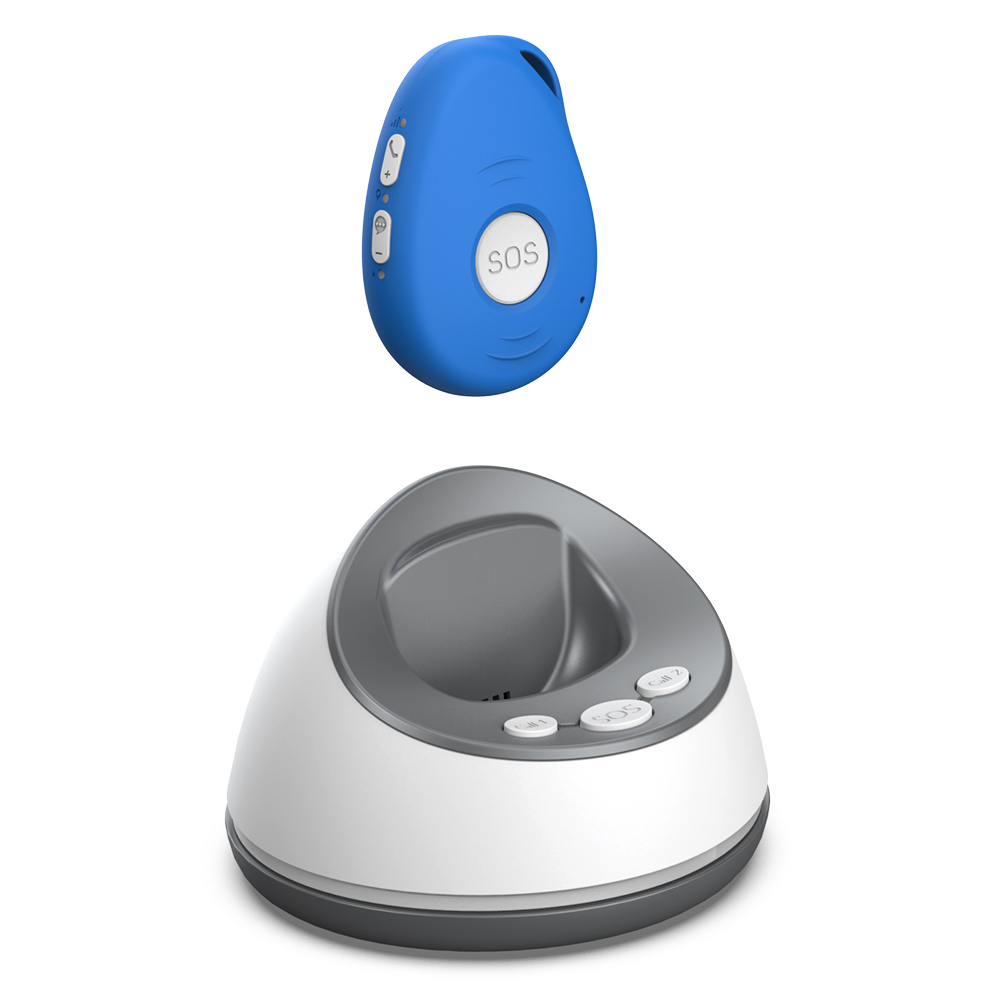
Family monitoring, on the other hand, means the alert goes directly to a family member's phone. This can work well if someone lives nearby and is able to respond quickly. It also gives the family more control and can be less expensive. The trade-off is that the family member might be at work, asleep, or otherwise unavailable. Some services allow a hybrid approach, where the alert goes to a family member first and then escalates to a professional centre if no one responds within a set time. That hybrid model is probably the most practical for most families.
Common Misconceptions About Personal Medical Alarms
One misconception I hear often is that these devices are only for the very frail or those already in poor health. In reality, many people who use them are still active and independent. The device is a backup, not a sign of decline. Another is that they are complicated to set up and use. The best modern devices are designed to be simple. You charge them, pair them with a phone app if needed, and wear them. That is about it.
There is also a belief that they are expensive. Monthly costs vary widely, but many plans cost less than a cup of coffee per day. Considering the potential cost of a hospital stay or the emotional toll of a long wait for help, the investment is usually small. Some insurance plans or government programmes may also offer subsidies or discounts.
When You Might Want to Start Looking
There is no single right age to get a personal medical alarm. Some people get one after a specific event, like a fall or a health scare. Others get one proactively, before a problem occurs. If you or a loved one lives alone, has mobility issues, takes medication that could cause dizziness, or spends time in areas where help might not arrive quickly, it is worth considering. The peace of mind alone can be valuable.

Connect with us on YouTube.
It is also worth thinking about the person's willingness to wear the device. Some older adults resist because they feel it marks them as old or dependent. Involving them in the selection process, letting them try different styles and features, and focusing on the independence the device enables can help. Framing it as a tool for staying active rather than a symbol of decline makes a difference.
Familyr provides personal medical alarms for seniors in New Zealand with SOS, GPS, fall detection, and family-monitored two-way calling, and is based at 14 Grand View Road, Remuera, Auckland 1050, New Zealand, +64 9 872 0345.